


What Does an Osteopath Do? | Ashford and Dover
What Does an Osteopath Do? A Guide to Osteopathy in Ashford and Dover
If you’re experiencing back pain, neck stiffness, joint discomfort or a sports injury, you may be wondering whether visiting an osteopath could help. Osteopathy is a regulated healthcare profession in the UK that focuses on assessing and managing problems involving the muscles, joints and other structures of the body.
At OsteopathiCare, we help patients understand their symptoms, explore appropriate treatment options and work towards improving their movement and everyday comfort.
If you’re looking for an osteopath in Ashford and Dover, here’s what you need to know about osteopathy, what happens during an appointment and when treatment may be appropriate.

What Does an Osteopath Treat?
Osteopaths commonly assess and manage musculoskeletal conditions that affect movement, comfort and daily activities.
These may include:
1. Lower back pain: discomfort associated with muscle strain, joint irritation or movement difficulties.
2. Neck pain: stiffness and discomfort associated with posture, muscular tension or restricted movement.
3. Sciatica: pain or altered sensation travelling from the lower back into the leg, which requires appropriate assessment.
4. Shoulder pain: problems affecting shoulder movement, muscles and surrounding soft tissues.
5. Hip and knee pain: discomfort that interferes with walking, exercise or everyday activities.
6. Sports injuries: certain muscle strains, joint sprains and other musculoskeletal problems.
7. Heel and foot pain: including some cases of plantar fasciitis, depending on the cause.
Not every condition is suitable for osteopathic treatment. A thorough assessment helps determine whether osteopathy is appropriate or whether further medical investigation is needed.
How Does Osteopathy Work?
Osteopathy involves assessing how the body moves and functions, with particular attention to the muscles, joints and other structures involved in musculoskeletal pain.
An osteopath may consider your symptoms alongside your medical history, lifestyle, work demands, physical activity and previous injuries.
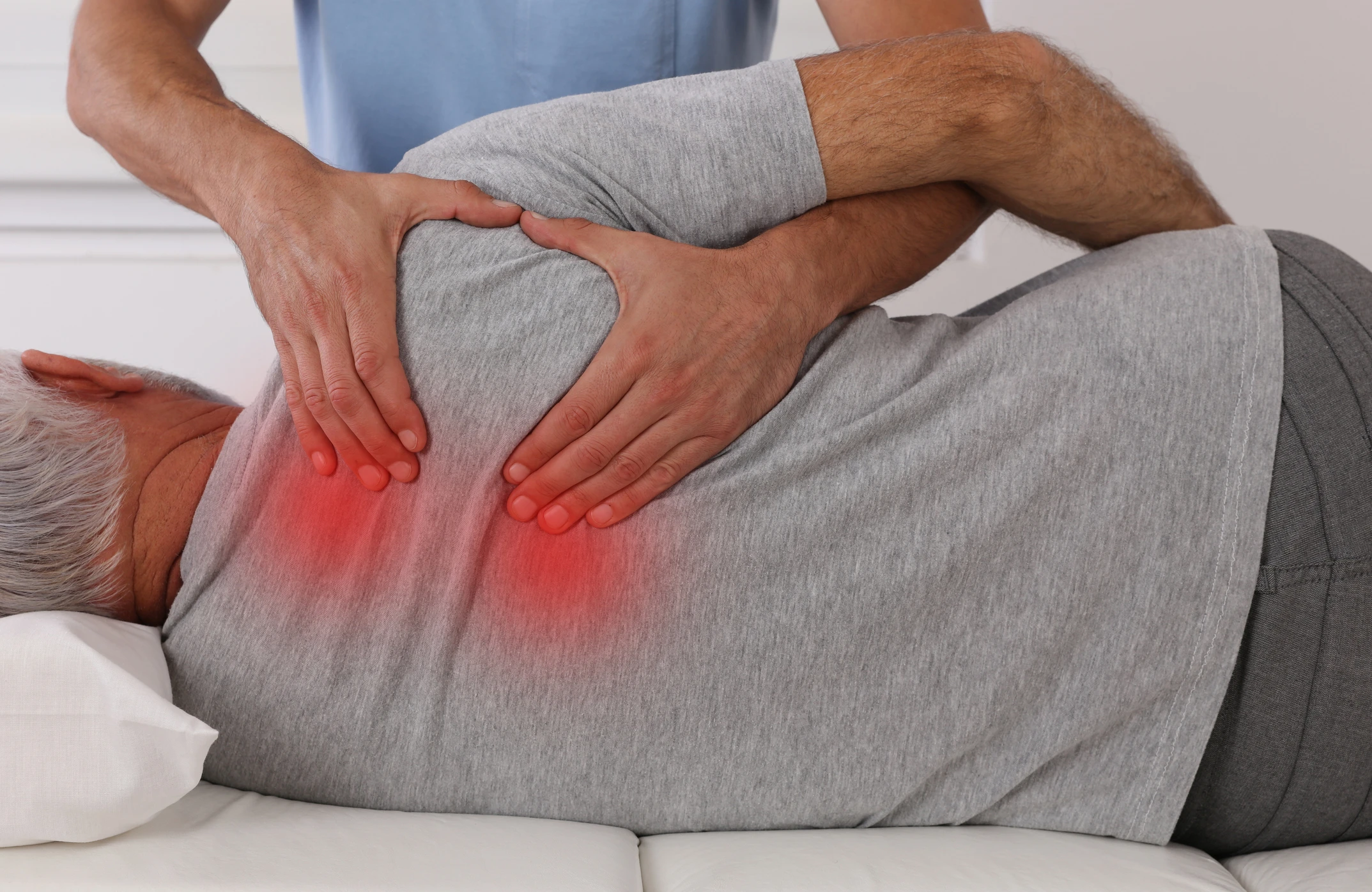
Depending on the findings, treatment may include hands-on techniques such as soft tissue treatment and joint mobilisation, together with movement advice and exercises.
The aim is to help manage pain, improve mobility where possible and support your return to normal activities. Results vary depending on the condition, and osteopathy cannot guarantee a cure.
What Happens During Your First Osteopathy Appointment?
If you’ve never visited an osteopath before, knowing what to expect can make the process less daunting.
1. Discussing Your Symptoms
Your appointment begins with questions about your pain, when it started, what makes it better or worse, your medical history and how your symptoms affect everyday life.
2. Physical Assessment
Your osteopath may assess your posture, mobility, strength and relevant movements. They will explain the examination and obtain your consent before proceeding.
3. Understanding Your Options
Following the assessment, your osteopath will explain their findings, discuss whether osteopathic treatment is suitable and outline any reasonable alternatives or need for referral.
4. Personalised Treatment and Advice
Where appropriate, treatment may involve manual techniques, exercises and practical advice to help you manage your symptoms between appointments.
Your plan should reflect your individual needs rather than follow a standard approach for everyone.
Can an Osteopath Help With Back and Neck Pain?
Back and neck pain are common reasons people seek musculoskeletal care. Symptoms may develop after lifting, prolonged sitting, repetitive activity or an injury, although sometimes there is no obvious cause.
An osteopath can assess your symptoms and identify whether treatment may help improve movement and manage discomfort. Advice may also cover activity modification, workplace ergonomics and exercises suited to your circumstances.
If you experience new or worsening limb weakness, significant neurological symptoms or other concerning symptoms, medical assessment may be necessary rather than routine treatment.
Osteopath or Physiotherapist: What’s the Difference?
Both osteopaths and physiotherapists assess and manage musculoskeletal problems, and there is considerable overlap between their approaches.
Osteopaths may use hands-on treatment alongside exercise and self-management advice. Physiotherapists also use manual therapy where appropriate, often alongside rehabilitation and exercise programmes.
The best choice depends on your symptoms, treatment preferences, the practitioner’s experience and whether you need a particular specialist service. Neither profession is automatically better for every condition.
Finding an Osteopath in Ashford and Dover
If you’re searching online for an osteopath in Ashford and Dover, consider the practitioner’s registration, experience, location and approach to treatment.
OsteopathiCare has clinic locations in both towns:
Ashford, Kent: 25 New Street, at Anytime Fitness, Ashford, TN24 8TN.
Dover, Kent: Dover Waterfront, Hotel & Spa Tapestry Collection by Hilton, Waterloo Crescent, Dover, CT17 9BP.
Choose the location most convenient for you and contact the clinic to confirm appointment availability and the services offered.
Frequently Asked Questions
In most cases, you can book directly with an osteopath in the UK without a GP referral.
Treatment is adapted to the individual. Some techniques may cause temporary soreness, and you should tell your practitioner if a technique causes discomfort.
This depends on your condition, symptom duration, overall health and response to treatment. Your osteopath should discuss progress and review whether further appointments are necessary.
Yes. Osteopaths must be registered with the General Osteopathic Council (GOsC) to practise under the title “osteopath” in the UK.
Book an Osteopathy Appointment in Ashford or Dover
Understanding the cause of your symptoms is an important first step towards managing musculoskeletal pain. An individual assessment can help establish whether osteopathic treatment is suitable and what options may support your recovery.
If you’re looking for an osteopath in Ashford or Dover, contact OsteopathiCare to discuss your symptoms and arrange an appointment.
Treatments covered by private health insurance


