


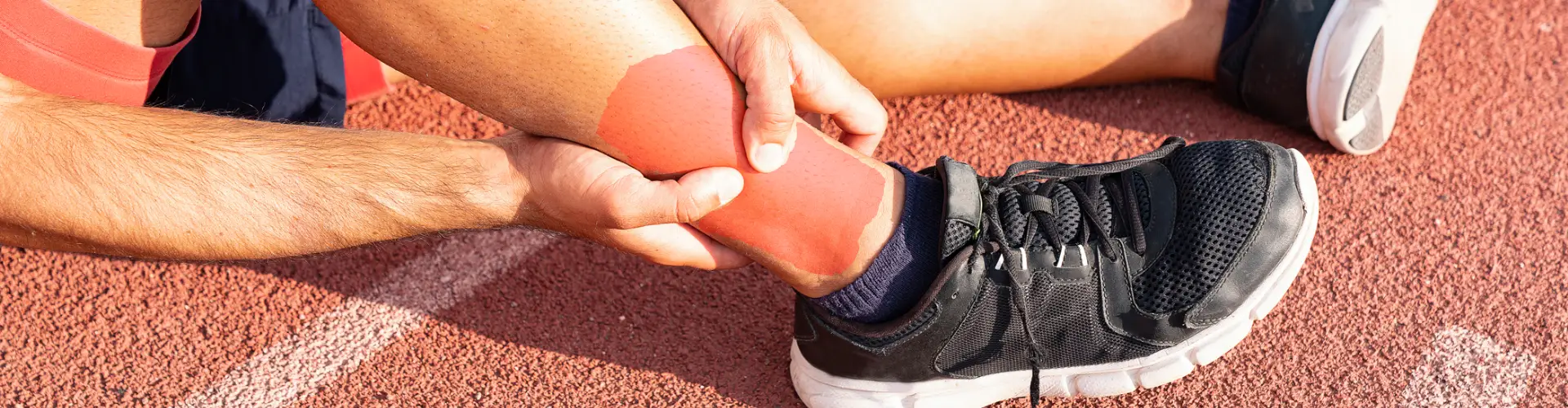
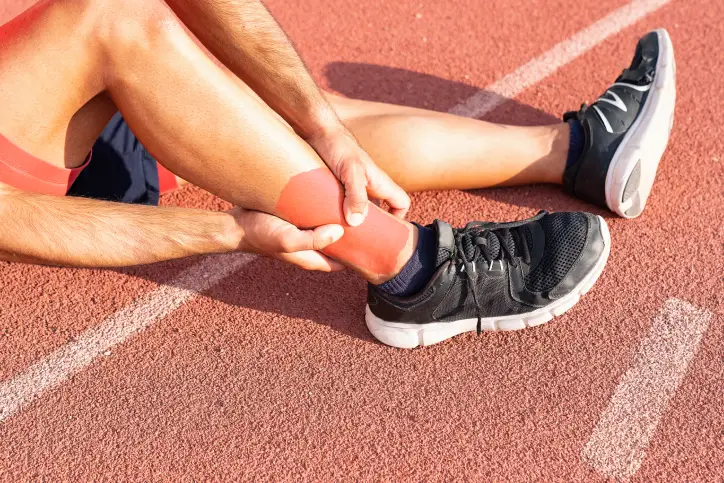
Sports Injury Treatment in Ashford and Dover: How an Osteopath Can Help
Sports Injury Treatment: How an Osteopath in Ashford and Dover Can Help
Whether you’re a regular runner, gym-goer, footballer, cyclist or simply enjoy staying active, an injury can quickly stop you from doing the things you enjoy. Sports injuries don’t only happen to professional athletes. Everyday activities, sudden increases in exercise, poor technique and repetitive movements can all place stress on muscles and joints.
If you’re dealing with an injury or persistent pain after exercise, seeing an osteopath in Ashford and Dover can help you understand what’s causing your symptoms and how to safely return to normal activity.
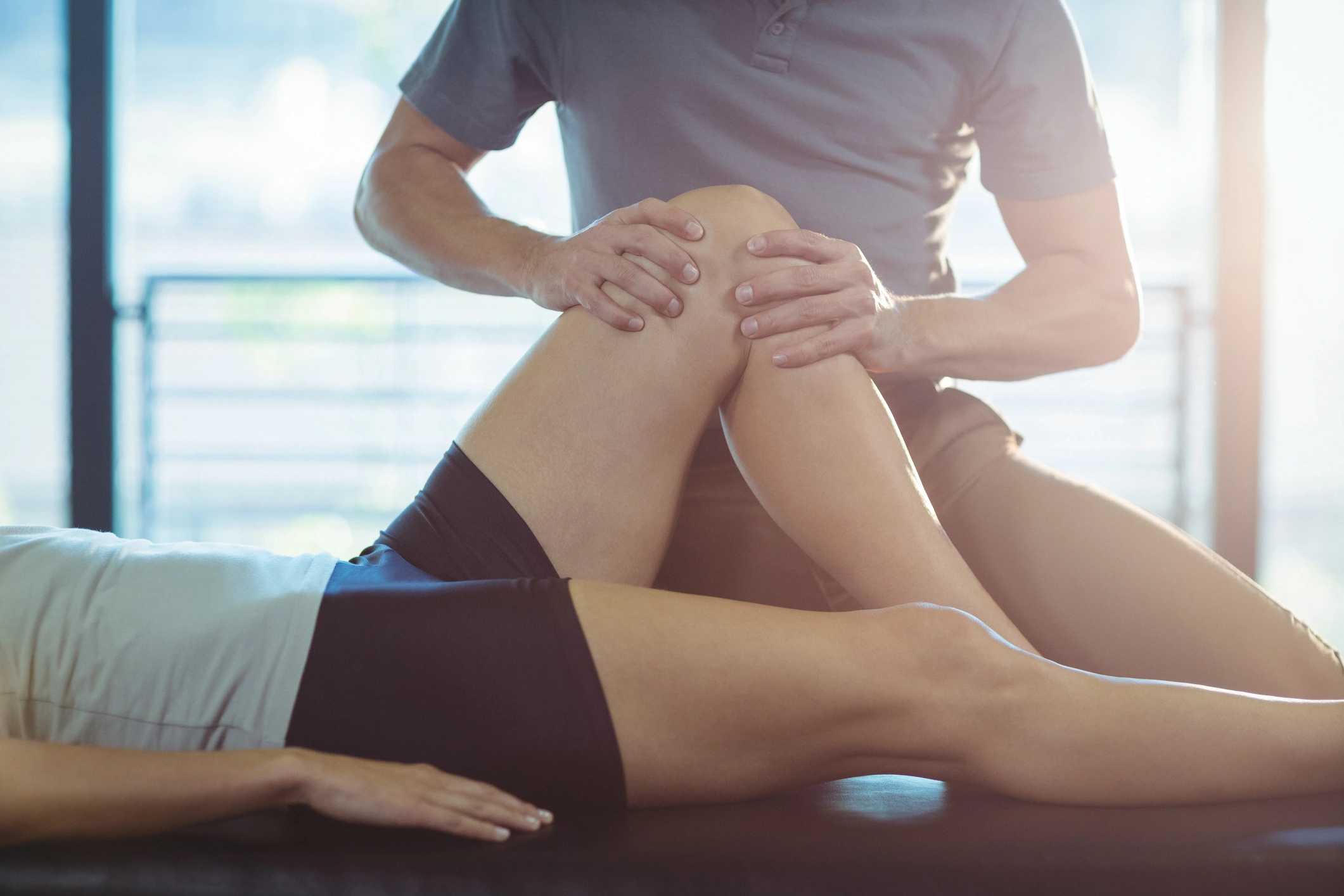
What Are Common Sports Injuries?
Sports injuries can affect almost any part of the body. Some develop suddenly, while others build gradually through repetitive strain or overuse.
Common injuries include:
1. Muscle strains
2. Ligament sprains
3. Tendon problems
4. Knee pain
5. Shoulder pain
6. Ankle injuries
7. Hip pain
8. Tennis elbow
9. Lower back pain
10. Plantar fasciitis
The symptoms you experience can vary depending on the injury. Pain, swelling, stiffness, weakness and reduced movement are all possible signs that something needs attention. Visit our website for more information: Osteopathicare Sports Massage Therapy Near Me | Osteopathicare
Why Do Sports Injuries Happen?
An injury isn’t always caused by one specific incident. Several factors can contribute to pain and reduced performance.
A sudden increase in training intensity, insufficient recovery, repetitive movements, poor technique or inadequate preparation can all increase the load placed on your body.
For example, increasing your running distance significantly in a short period may place additional stress on your feet, calves, knees and hips.
Understanding these contributing factors is an important part of preventing the same problem from returning.
How Can an Osteopath Help With a Sports Injury?
An osteopath in Ashford and Dover can assess how your body is moving and identify areas of stiffness, weakness or muscular tension that may be contributing to your symptoms.
Your assessment may include looking at:
1. Joint mobility
2. Muscle flexibility
3. Strength and movement
4. Posture
5. Walking or running mechanics
6. Previous injuries
7. Training and activity levels
Treatment is then tailored to your individual condition and goals.
Hands-On Treatment
Depending on your injury, treatment may include soft tissue techniques, joint mobilisation, stretching and other manual approaches designed to improve movement and reduce discomfort.
Exercise and Rehabilitation
Treatment doesn’t stop when you leave the clinic. You may be given exercises to improve strength, mobility and control.
A gradual rehabilitation programme can help you rebuild confidence and return to your activity safely.
Should You Stop Exercising After an Injury?
Not necessarily.
For many musculoskeletal injuries, complete rest isn’t always the best approach. The appropriate level of activity depends on the injury, symptoms and stage of recovery.
Your osteopath can help you understand which movements are appropriate and how you can gradually increase your activity without unnecessarily aggravating your symptoms.
How Can You Prevent Sports Injuries?
You can’t prevent every injury, but you can reduce your risk by managing training load and allowing your body enough time to recover.
Helpful strategies include:
1. Increase training gradually
2. Warm up before demanding exercise
3. Include strength and mobility work
4. Allow adequate recovery between sessions
5. Wear appropriate footwear
6. Don’t ignore persistent pain
7. Vary repetitive activities where possible
If you’re returning to exercise after an injury, increasing your workload gradually is particularly important.
When Should You See an Osteopath?
Consider seeking professional advice if pain is persistent, keeps returning, limits your movement or prevents you from participating in your normal activities.
An assessment can help determine whether the problem is appropriate for osteopathic care or whether you need further investigation or referral to another healthcare professional.
Severe pain, significant swelling, inability to bear weight, major trauma or rapidly worsening symptoms should be assessed promptly.
Sports Injury Treatment in Ashford and Dover
If you’re looking for an osteopath in Ashford and Dover for a sports injury, OsteopathiCare provides personalised assessment and treatment for a range of musculoskeletal problems.
Our approach combines hands-on treatment with practical advice and exercises where appropriate, with the aim of helping you return to the activities that matter to you.
Whether you’re dealing with a running injury, gym-related pain, a football injury or an ongoing problem that keeps coming back, understanding why the injury occurred is an important part of recovery.
Frequently Asked Questions
Osteopaths assess and treat a range of musculoskeletal problems, including certain sports-related muscle and joint injuries. Your suitability for treatment will depend on your individual condition.
Recovery time varies considerably depending on the type and severity of the injury, how long you’ve had symptoms and your overall health and activity levels.
This depends on the injury. In many cases, appropriate movement can form part of recovery, but activities that significantly aggravate symptoms may need to be modified.
An osteopathic assessment may identify movement restrictions, muscle imbalances or other factors that could contribute to recurring problems. Advice around exercise, mobility and training load can then be incorporated into your recovery plan.
Conclusion
A sports injury doesn’t have to mean giving up the activities you enjoy. The right assessment and rehabilitation approach can help you understand your symptoms, improve movement and gradually return to exercise.
If you’re experiencing persistent pain following exercise or a sports injury, an osteopath in Ashford and Dover can assess your condition and help you understand the most appropriate next steps.
Treatments covered by private health insurance


