


Living Well With Knee Osteoarthritis: Gentle, Practical Support for Older Adults in Ashford and Dover
Knee Osteoarthritis: A Practical Guide for Older Adults
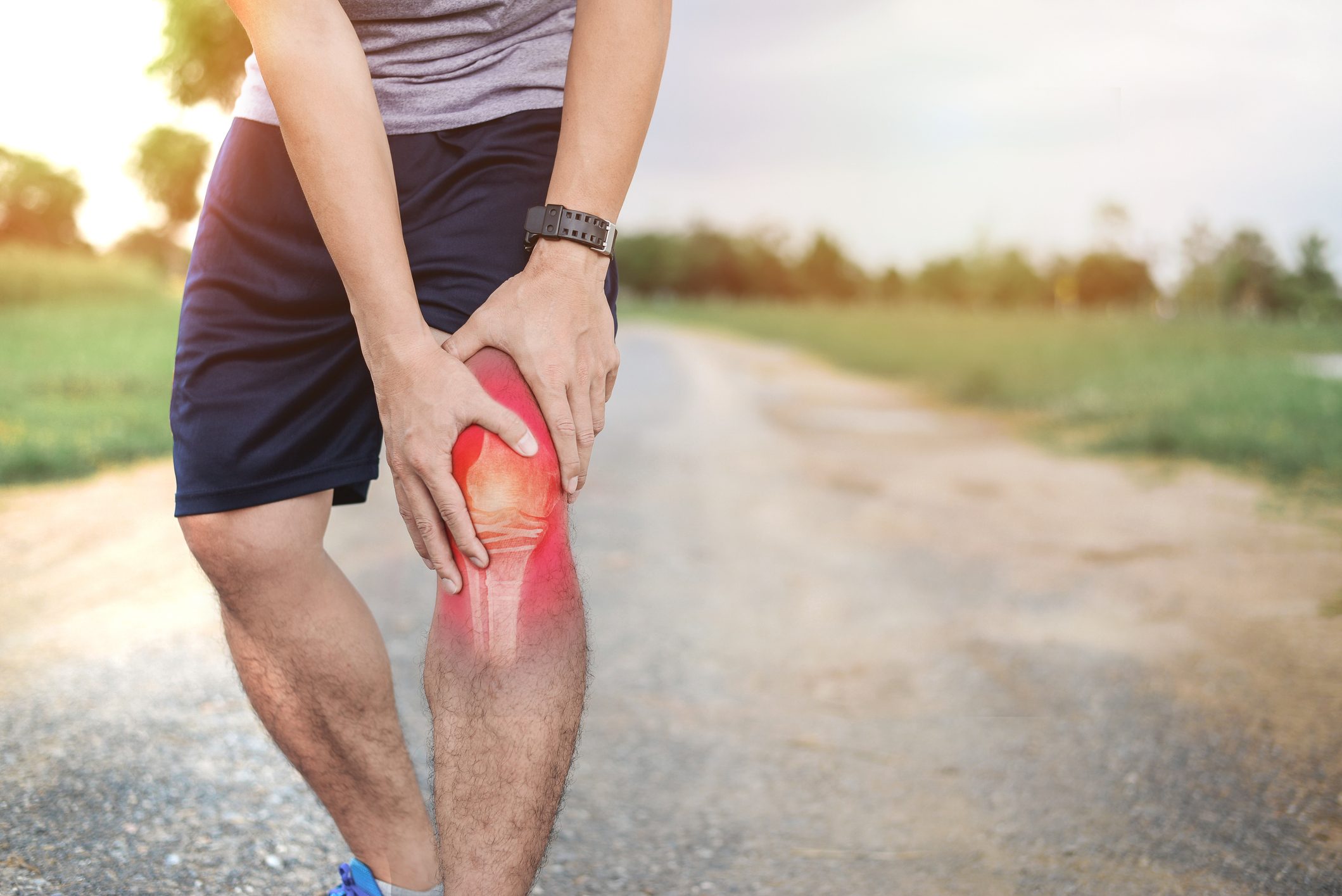
Knee osteoarthritis is one of the most common joint conditions affecting older adults. It develops when the protective cartilage in the knee gradually wears down, leading to stiffness, pain, and reduced mobility. While it can feel limiting, many people continue to live active, independent lives with the right support and simple, consistent care.
This guide explains knee osteoarthritis in clear terms and explores gentle, supportive options often used by older adults in areas such as Ashford and Dover, including osteopathy, physiotherapy, acupuncture, and chiropractic care.
Understanding Knee Osteoarthritis
As we age, our joints naturally experience wear and tear. In knee osteoarthritis, this process happens more quickly or unevenly, causing the joint to become sore and less flexible. Common symptoms include:
1. Pain when walking, climbing stairs, or standing up.
2. Stiffness, especially in the morning or after resting.
3. Swelling or a feeling of warmth around the knee.
4. A grinding or clicking sensation during movement.
Symptoms can vary from mild to more noticeable and often come and go. The good news is that many non-invasive approaches can help manage discomfort and keep you moving comfortably.
Why Gentle Movement Matters
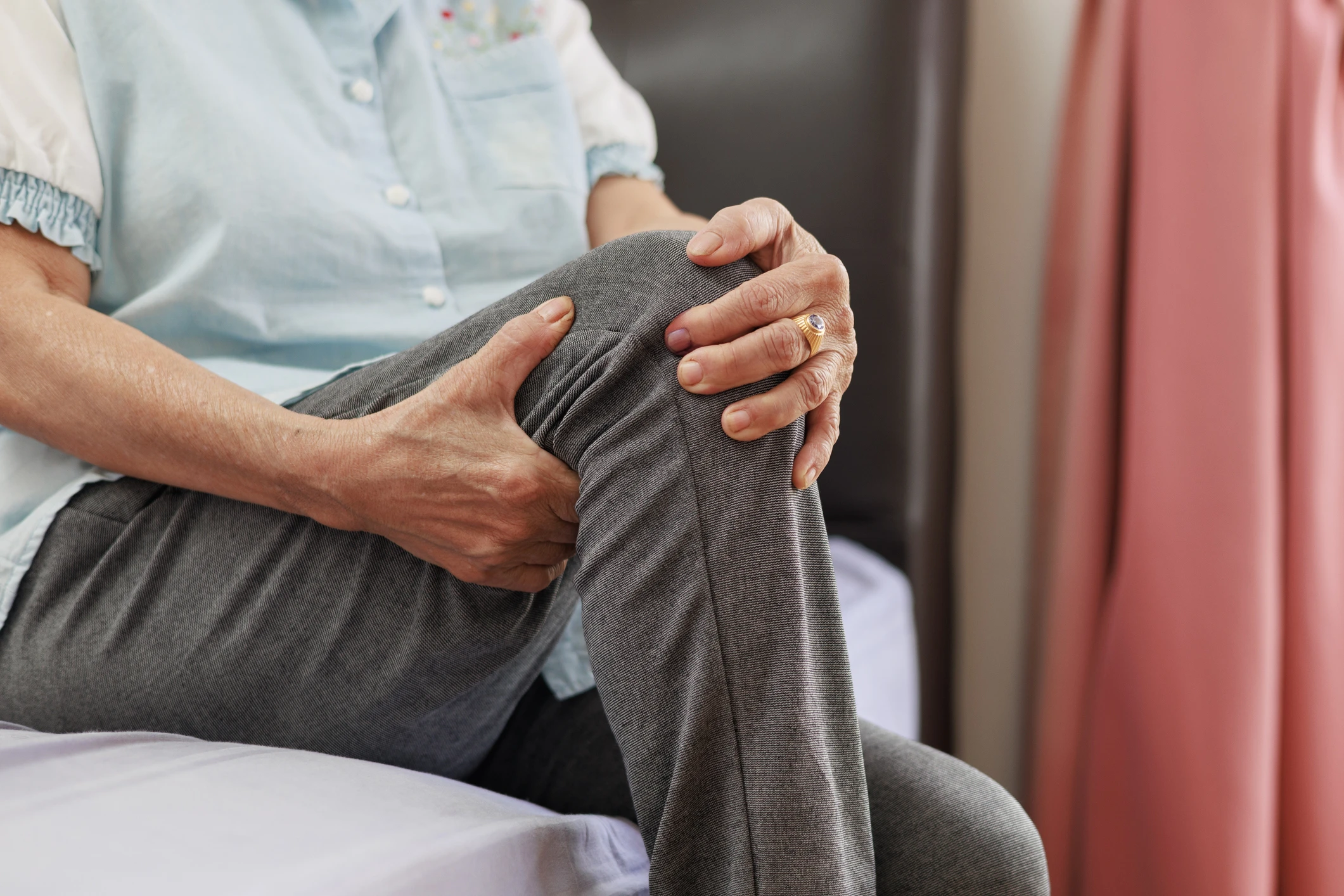
Although rest is important during painful flare-ups, too much inactivity can actually worsen stiffness. Gentle, regular movement helps nourish the joint and strengthen the muscles that support the knee.
A physio (physiotherapist) can be especially helpful for older adults with knee osteoarthritis. Physiotherapy focuses on safe, tailored exercises that improve strength, balance, and confidence with movement. Many programmes are designed to be done at home and adapted to your comfort level.
Hands-On Support: Osteopathy and Chiropractic Care
Some people with knee osteoarthritis choose to see an osteopath or chiropractor as part of their overall care.
Osteopathy takes a whole-body approach, looking at how the knee works alongside the hips, back, and posture. Gentle manual techniques aim to improve movement and reduce strain on the joint.
Chiropractic care often focuses on joint alignment and mobility. For older adults, techniques are typically adapted to be low-force and comfortable.
In communities like Ashford and Dover, these approaches are commonly used alongside medical advice and exercise, rather than as a replacement for them.
Acupuncture for Pain and Stiffness
Acupuncture is another option some older adults find helpful. It involves the use of very fine needles placed at specific points on the body. Many people report that acupuncture helps reduce pain and promotes relaxation, which can be particularly beneficial if knee pain is affecting sleep or daily enjoyment.
While results vary from person to person, acupuncture is often valued for being gentle and non-drug-based.
Everyday Self-Care Tips
In addition to professional support, small daily habits can make a big difference:
1. Wear supportive footwear to reduce stress on the knees.
2. Use handrails or walking aids if balance feels uncertain.
3. Apply heat or cold packs to ease stiffness or swelling.
4. Maintain a healthy weight, as extra weight increases pressure on the knee joint.
Listening to your body and pacing activities can help prevent flare-ups while keeping you active.
A Positive Outlook
Living with knee osteoarthritis does not mean giving up the activities you enjoy. With the right mix of movement, hands-on care, and self-management, many older adults continue walking, gardening, socialising, and staying independent.
If you live in or near Ashford or Dover, you may find a range of supportive practitioners—from physio and osteopath services to acupuncture and chiropractic care—who understand the needs of older adults and focus on comfort, safety, and quality of life.
Final Thought
Knee osteoarthritis is a common part of ageing, but pain and stiffness do not have to control your life. With gentle, consistent support and informed choices, it is possible to stay active, confident, and comfortable at any age.
Treatments covered by private health insurance


