



Hip Pain Treatment in Ashford and Dover | Osteopath
Hip Pain: Causes, Treatment and How an Osteopath in Ashford and Dover Can Help
Hip pain can make everyday activities such as walking, climbing stairs, exercising and getting out of a chair uncomfortable. It may develop gradually over time or begin following an injury, repetitive activity or sudden movement.
If hip pain is affecting your daily life, understanding the possible cause is an important first step. An osteopath in Ashford and Dover can assess your symptoms, examine your movement and help determine whether osteopathic treatment is appropriate for your condition.
What Causes Hip Pain?
The hip is a major weight-bearing joint that helps support your body during walking, running and other everyday movements. Pain around the hip can originate from the joint itself, surrounding muscles and tendons, or even the lower back.
Common causes include:
1. Hip osteoarthritis: Changes within the joint can cause pain, stiffness and difficulty moving, particularly after periods of inactivity.
2. Greater trochanteric pain syndrome: Pain around the outside of the hip, sometimes aggravated by lying on that side, walking or climbing stairs.
3. Muscle strains: Overstretching or overloading muscles around the hip can cause pain and restricted movement.
4. Tendon problems: Irritation of the tendons around the hip may develop following repetitive activity or changes in exercise intensity.
5. Referred pain from the lower back: Problems affecting the lumbar spine can sometimes produce pain around the hip or buttock.
Because these conditions can produce similar symptoms, a proper assessment is important before deciding on treatment.
Common Symptoms of Hip Problems
Hip pain can feel different depending on its cause. You may experience:
1. Pain in the groin or front of the hip
2. Discomfort on the outside of the hip
3. Pain around the buttock
4. Stiffness after sitting or resting
5. Difficulty walking or climbing stairs
6. Discomfort when lying on the affected side
7. Reduced flexibility or difficulty putting on shoes and socks
The location of your pain can provide useful clues, but it does not always identify the exact cause.
How Can an Osteopath Help With Hip Pain?
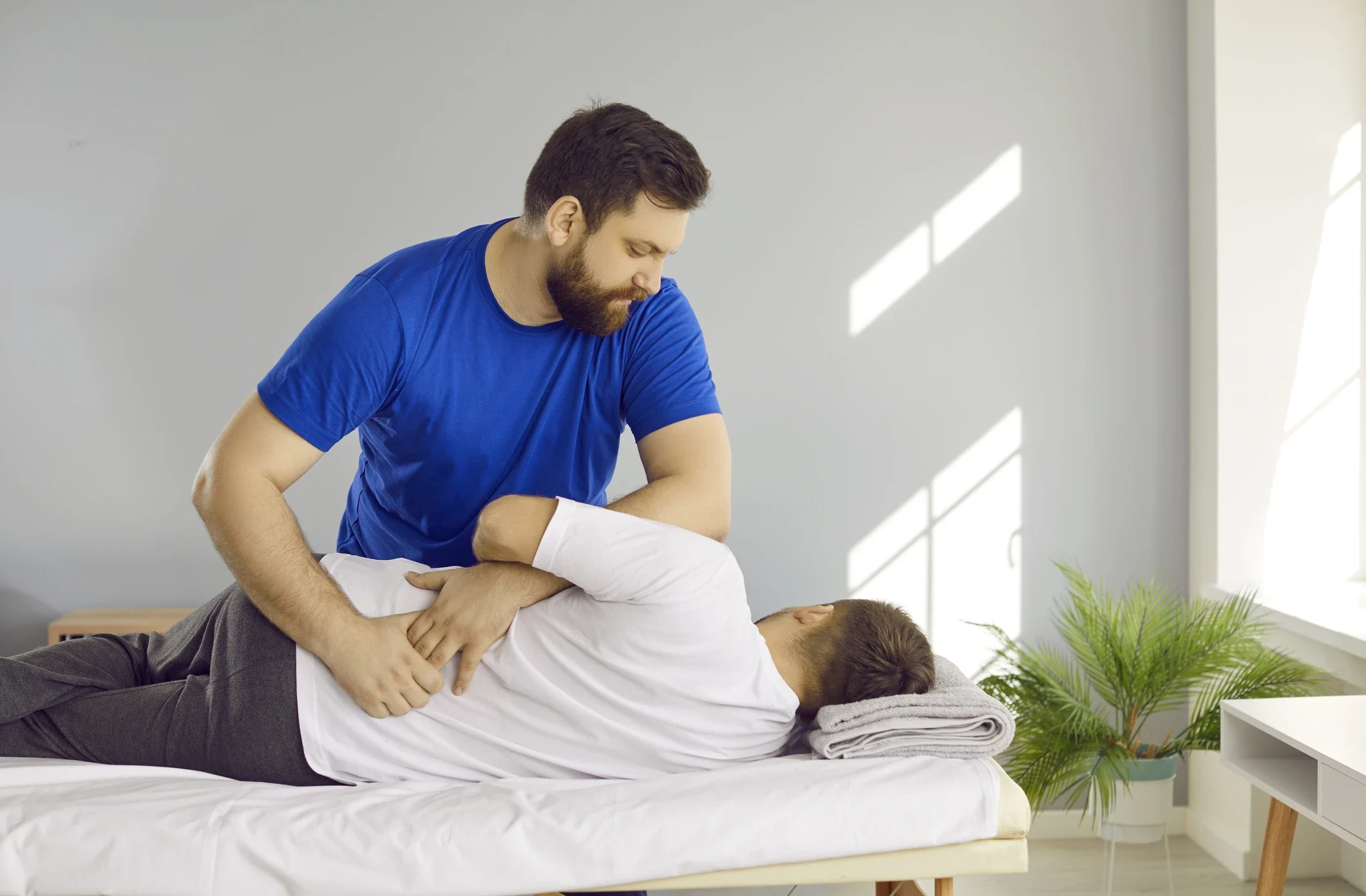
An osteopath in Ashford and Dover can carry out an assessment to understand your symptoms and determine whether osteopathic care is suitable.
Your assessment may include reviewing your medical history, examining hip and lower-back movement, and identifying activities that aggravate or relieve your symptoms.
Depending on the findings, treatment may include:
Hands-on treatment: Manual techniques may help manage discomfort and improve movement where appropriate.
Mobility advice: Exercises and movement strategies may help maintain flexibility and make everyday activities more comfortable.
Strengthening exercises: Appropriate exercises can help improve the strength and function of muscles supporting the hip.
Practical guidance: Advice on activity levels, exercise modification and recovery may help you manage symptoms between appointments.
Treatment is tailored to the individual. Osteopathy cannot reverse hip osteoarthritis or guarantee that pain will resolve, but it may form part of a wider management plan for suitable musculoskeletal conditions.
Can Walking Make Hip Pain Worse?
Walking is beneficial for general health, but the right amount depends on the cause and severity of your symptoms.
If your hip becomes painful after long walks, consider temporarily reducing the distance or intensity rather than pushing through significant discomfort. Gradually increasing activity as symptoms allow may help you maintain movement.
Persistent pain, a noticeable limp or worsening symptoms should be assessed by an appropriate healthcare professional.
What Can You Do at Home to Help Hip Pain?
There are several practical steps that may help manage mild hip discomfort:
1. Keep moving gently within your comfortable range.
2. Avoid suddenly increasing your walking or exercise workload.
3. Take breaks from positions that aggravate your symptoms.
4. Follow suitable strengthening exercises recommended by a healthcare professional.
5. Use comfortable footwear appropriate for your activities.
Avoid assuming all hip pain is caused by tight muscles. If symptoms persist, an assessment can help identify the underlying problem and guide appropriate care.
When Should You Seek Professional Help?
Arrange a professional assessment if hip pain keeps returning, affects your sleep, limits walking or interferes with everyday activities.
Seek urgent medical attention if you develop sudden severe hip pain, cannot put weight on your leg, or experience significant pain following an injury. A hot or swollen hip accompanied by fever or feeling generally unwell also requires urgent assessment.
Hip Pain Treatment in Ashford and Dover
If you are looking for an osteopath in Ashford and Dover, OsteopathiCare provides assessment and treatment for a range of musculoskeletal problems.
Our Ashford and Dover clinics offer convenient options for people seeking help with hip discomfort, back pain, joint stiffness and other movement-related problems.
The first step is understanding what is causing your symptoms and whether osteopathic treatment is appropriate for you. A personalised approach can help you understand your options and work towards improving everyday movement.
Frequently Asked Questions
An osteopath may help manage certain musculoskeletal causes of hip pain through appropriate manual treatment, movement advice and exercises. Suitability depends on the underlying condition.
Hip pain while walking can result from several conditions, including osteoarthritis, tendon problems, muscle injuries or pain referred from the lower back. An assessment can help identify the likely cause.
No. Hip pain can originate from muscles, tendons, the joint itself or other areas such as the lower back. It is important not to assume arthritis is responsible without an appropriate assessment.
Gentle movement is often beneficial, but exercises should suit your symptoms and condition. Significant or worsening pain should not be ignored.
Book an Osteopathy Appointment in Ashford or Dover
Hip pain does not have to be something you simply put up with. Understanding the cause of your discomfort can help you make informed decisions about treatment and recovery.
If hip pain is affecting your walking, exercise or everyday activities, contact OsteopathiCare to discuss your symptoms and arrange an assessment.
Treatments covered by private health insurance


