


Knee Pain Treatment in Ashford and Dover | Osteopath
Knee Pain: Causes, Treatment and How an Osteopath in Ashford and Dover Can Help
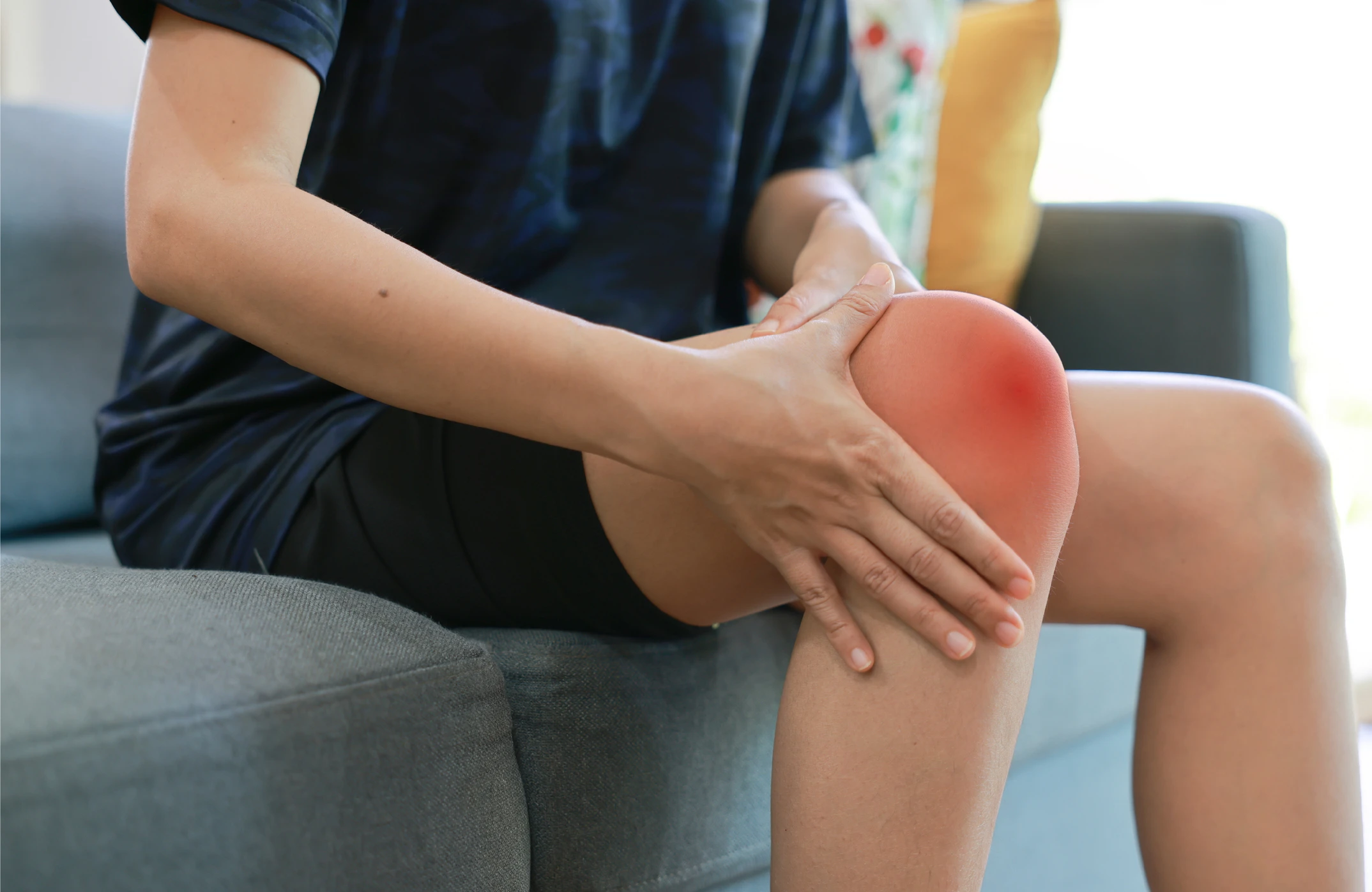
Knee pain is a common problem that can affect people of all ages and activity levels. Whether you’re experiencing discomfort when walking, climbing stairs, exercising or getting up from a chair, knee pain can make everyday activities difficult.
Some knee problems develop following an injury, while others gradually appear over time due to repetitive activity, changes in exercise levels or age-related changes within the joint.
If you’re experiencing persistent knee pain, an osteopath in Ashford and Dover can assess your symptoms, identify possible contributing factors and help you understand your treatment options.
What Causes Knee Pain?
The knee is a complex joint that allows you to walk, run, bend and support your body weight. Pain can originate from the joint itself, the surrounding muscles, tendons or ligaments.
Common causes of knee pain include:
Knee Osteoarthritis
Osteoarthritis involves changes within the joint that can cause pain, stiffness and reduced movement. Symptoms may be more noticeable when walking, climbing stairs or getting up after sitting.
Patellofemoral Pain
Pain around or behind the kneecap can develop during activities such as squatting, running, climbing stairs or prolonged sitting.
Tendon Problems
The tendons around the knee can become painful following repetitive loading or changes in physical activity. This is common in people who run, jump or participate in sports.
Ligament Injuries
Injuries to the ligaments can occur following sudden twisting movements, falls or sporting activities. Some injuries require medical assessment and rehabilitation.
Meniscus Injuries
The menisci are structures within the knee that help distribute load across the joint. Injuries may occur following twisting movements or develop alongside age-related changes.
Because different conditions can produce similar symptoms, an appropriate assessment is important.
Why Does My Knee Hurt When Walking?
Knee pain during walking can have several causes.
Some people experience discomfort around the kneecap, while others notice pain on the inside, outside or back of the knee.
The type of activity that aggravates your symptoms can provide useful information.
For example:
1. Pain when climbing stairs may be associated with patellofemoral problems.
2. Pain after prolonged walking may be associated with joint or tendon problems.
3. Pain following a twisting injury may indicate a ligament or meniscus injury.
4. Stiffness after sitting may occur with several different knee conditions.
The location and timing of pain can help guide an assessment, but they cannot confirm a diagnosis on their own.
How Can an Osteopath Help With Knee Pain?
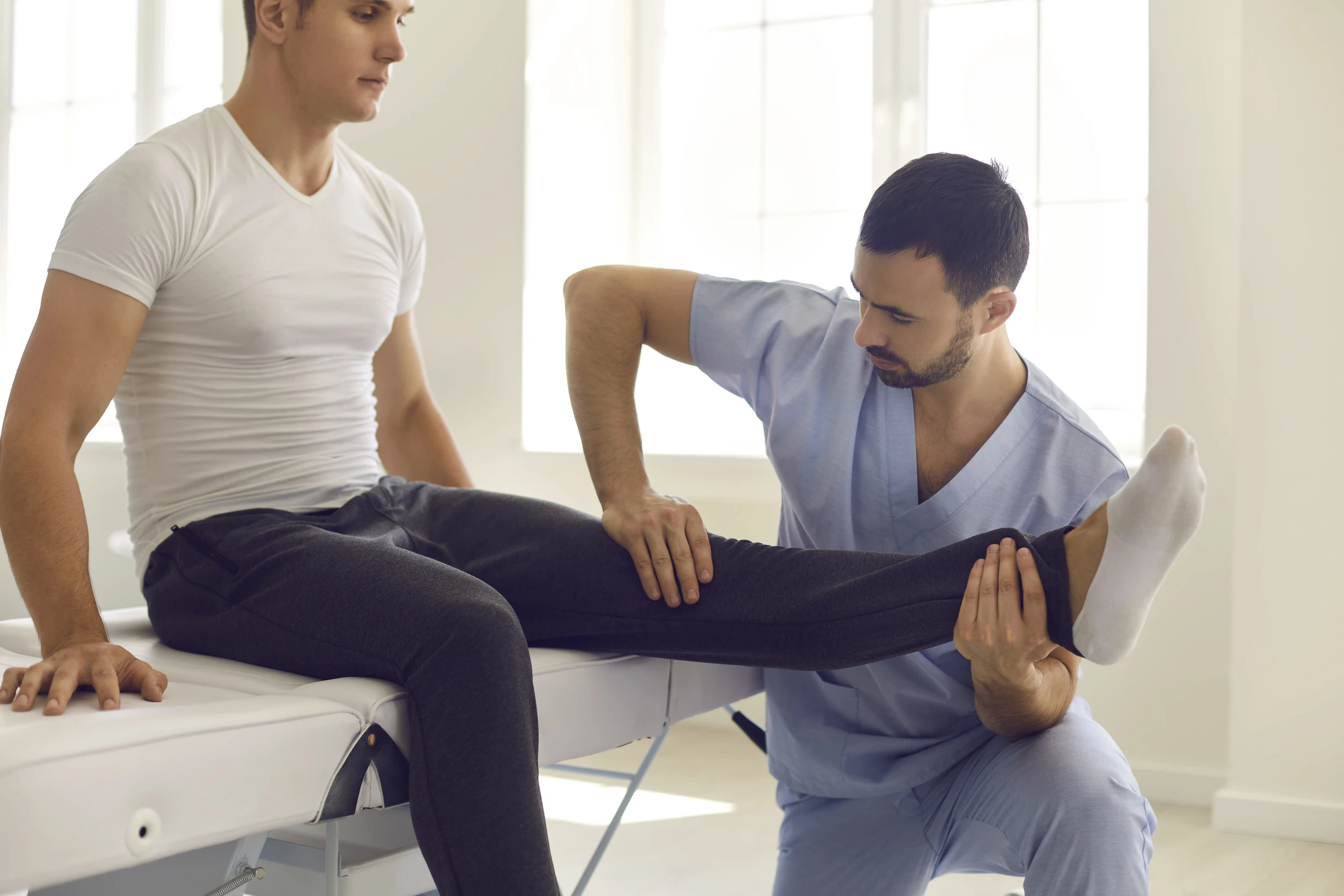
An osteopath in Ashford and Dover can assess your knee symptoms and determine whether osteopathic treatment is appropriate.
Your assessment may include reviewing your medical history, examining knee movement, assessing relevant muscles and joints, and understanding how your symptoms affect your daily activities.
Depending on the findings, treatment may include:
1. Appropriate hands-on techniques
2. Movement and mobility advice
3. Exercises to improve strength and function
4. Guidance on modifying activities
5. Advice on gradually returning to exercise
Treatment is tailored to your individual needs and the underlying condition.
For some knee conditions, exercise-based rehabilitation is particularly important. Osteopathic treatment may be used alongside strengthening exercises and other healthcare approaches where appropriate.
Can Exercise Help Knee Pain?
For many knee conditions, appropriate exercise can play an important role in recovery.
Strengthening the muscles around the knee and hip may help improve function and support everyday movement.
However, the right exercises depend on the cause of your pain.
If you have recently injured your knee, significant swelling or difficulty bearing weight, seek professional advice before attempting exercises.
What Can You Do at Home?
If your knee pain is mild and there are no concerning symptoms, the following strategies may help:
1. Reduce activities that significantly aggravate your pain.
2. Keep moving gently within your comfortable limits.
3. Avoid suddenly increasing your exercise intensity.
4. Take regular breaks from prolonged sitting.
5. Follow appropriate strengthening exercises recommended by a healthcare professional.
6. Gradually return to activities as your symptoms allow.
Avoid pushing through significant or worsening pain.
When Should You Seek Professional Help?
Consider arranging an assessment if knee pain:
1. Keeps returning
2. Affects your walking
3. Makes climbing stairs difficult
4. Interferes with exercise
5. Causes persistent stiffness
6. Is not improving as expected
Seek urgent medical assessment if you cannot bear weight, your knee is severely swollen or deformed, it locks, or you develop a hot, red knee with fever.
Knee Pain Treatment in Ashford and Dover
If you’re looking for an osteopath in Ashford and Dover, OsteopathiCare provides assessment and treatment for a range of musculoskeletal problems.
Our clinics offer personalised care for people experiencing knee pain, hip pain, back pain, sports injuries and other movement-related problems.
Whether your knee pain has developed gradually or started following exercise, an assessment can help you understand the possible cause and determine the most appropriate next steps.
Frequently Asked Questions
An osteopath may help manage certain musculoskeletal causes of knee pain through appropriate manual treatment, movement advice and exercises. Suitability depends on the underlying condition.
Pain when climbing stairs can occur with several knee conditions, including patellofemoral pain and osteoarthritis. An assessment can help identify the likely cause.
Not necessarily. Gentle movement may be appropriate for many knee conditions, but you should modify activities that significantly aggravate symptoms.
Sometimes. Pain may be referred from other areas, including the hip or lower back. A thorough assessment can help determine where symptoms are originating.
Book an Osteopathy Appointment in Ashford or Dover
Knee pain can affect your ability to walk comfortably, exercise and enjoy everyday activities.
Understanding what is causing your symptoms is an important first step towards managing them.
If you’re experiencing persistent knee pain, contact OsteopathiCare to discuss your symptoms and arrange an assessment at our Ashford or Dover clinic.
Treatments covered by private health insurance


