



Osteopath Ashford and Dover: What Conditions Can an Osteopath Treat?
Osteopath Ashford and Dover: What Conditions Can an Osteopath Treat?
If you’re searching for an osteopath in Ashford and Dover, you may be wondering whether osteopathy is suitable for your particular problem. Osteopaths assess and treat a wide range of musculoskeletal conditions, including back pain, neck pain, joint stiffness, sports injuries and muscle problems.
At OsteopathiCare, we take a personalised approach to every patient. Rather than simply focusing on where you feel pain, an osteopathic assessment considers how your muscles, joints and movement patterns are working together and whether other areas of the body could be contributing to your symptoms.
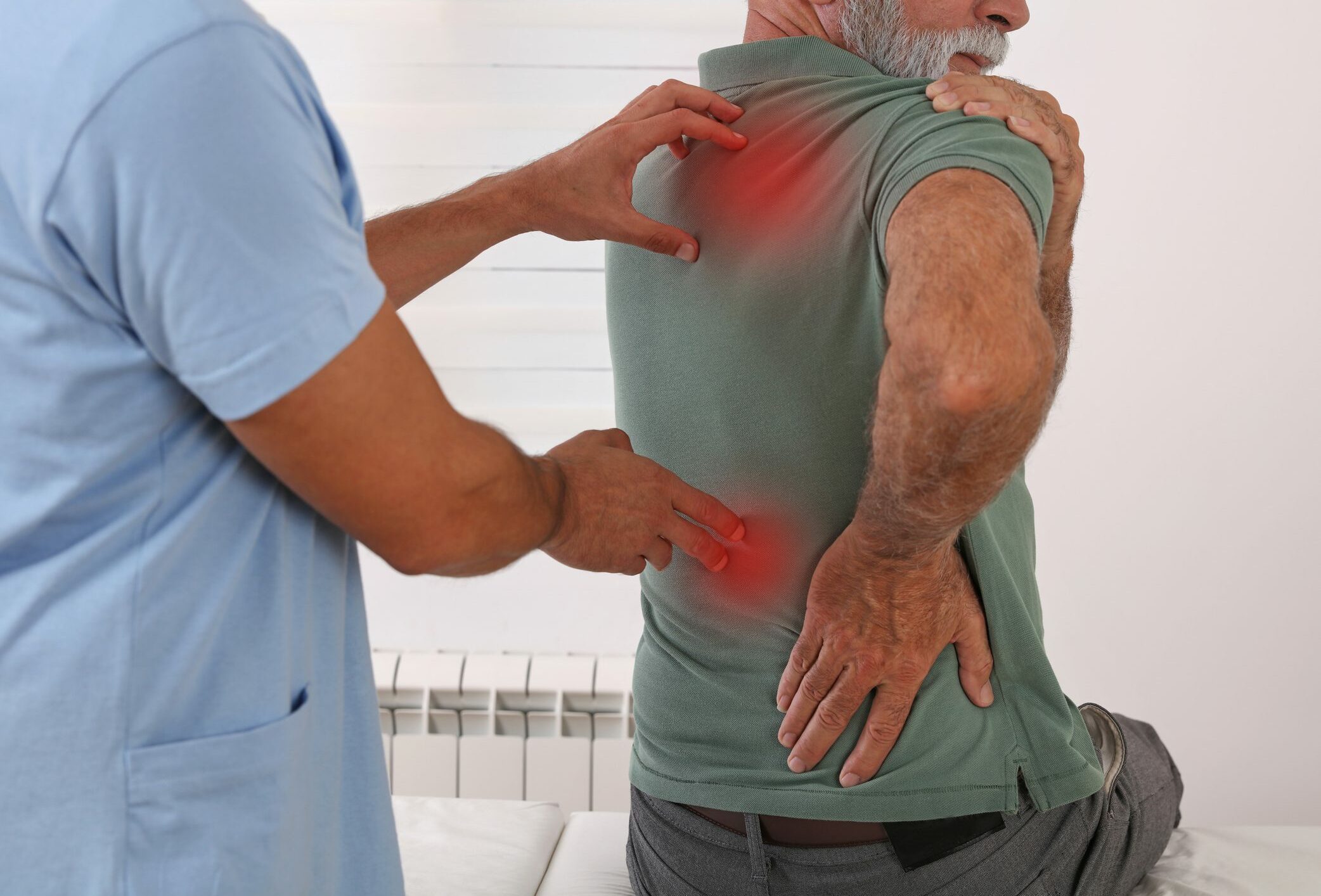
What Does an Osteopath Treat?
People commonly seek osteopathic care for problems affecting the muscles, joints and movement of the body.
Common include:
1. Lower Back Pain
2. Neck Pain
3. Sciatica
4. Shoulder Pain
5. Hip and Knee Pain
6. Sports Injuries
7. Plantar Fasciitis and Foot Pain
Lower Back Pain
Lower back pain is one of the most common reasons people seek musculoskeletal treatment. It can develop following an injury, prolonged sitting, lifting, repetitive activity or gradually over time.
An osteopathic assessment can look at the movement of your lower back, pelvis, hips and surrounding muscles to identify factors that may be contributing to your symptoms. Visit this page for more info: https://osteopathicare.co.uk/back-pain/
Neck Pain
Neck stiffness and pain can be associated with prolonged desk work, poor posture, muscle tension, driving, sleeping positions or previous injuries.
Osteopathic treatment may include hands-on techniques, mobility advice and exercises designed around your individual needs. Visit our page for more info: https://osteopathicare.co.uk/neck-pain/
Sciatica
Sciatica describes symptoms caused by irritation of the sciatic nerve, often producing pain, tingling, numbness or other sensations travelling from the lower back into the leg.
Because there can be several causes of these symptoms, an appropriate assessment is important before deciding whether osteopathic treatment is suitable.
Shoulder Pain
Shoulder problems can make everyday activities such as reaching overhead, getting dressed, exercising or sleeping uncomfortable.
Common problems include shoulder stiffness, muscular pain, some rotator cuff-related problems and injuries associated with repetitive activity or sport. Visit our page for more info: https://osteopathicare.co.uk/shoulder-pain/
Hip and Knee Pain
Pain around the hips or knees can affect walking, exercise, work and everyday movement. The source of symptoms is not always directly where the pain is felt, which is why an osteopath may assess other areas such as the lower back, pelvis and surrounding muscles. Visit our page for more info: https://osteopathicare.co.uk/knee-pain/
Sports Injuries
Whether you’re a regular gym-goer, runner, footballer or simply enjoy staying active, injuries can interfere with the activities you enjoy.
Osteopathic care can include assessment, hands-on treatment and advice about gradually returning to activity where appropriate. Visit our page: https://osteopathicare.co.uk/sports-massage-therapy/
Plantar Fasciitis and Foot Pain
Heel and foot pain can affect walking, running and standing. Plantar fasciitis is one possible cause of heel pain, although other conditions can produce similar symptoms.
An assessment can help determine whether treatment is appropriate and whether factors such as ankle mobility, calf tightness or movement patterns may be contributing. Visit our page: https://osteopathicare.co.uk/plantar-fasciitis/
Can Osteopathy Help With Posture?
Many people spend long periods sitting at a desk, driving or using computers and smartphones. This can contribute to stiffness and muscular tension.
Rather than trying to achieve a single “perfect” posture, an osteopath can help you understand how your body moves and provide practical advice on changing position regularly, improving mobility and managing the demands of your daily routine.
What Happens During an Osteopathy Appointment?
Your first appointment normally begins with a discussion about your symptoms, medical history and lifestyle. Your osteopath will then assess your movement and the relevant areas of your body.
Depending on the findings, treatment may include manual techniques, soft tissue work, joint mobilisation, stretching, exercise advice and recommendations for managing your symptoms between appointments.
Your treatment plan should be specific to you rather than being a one-size-fits-all approach.
Osteopath Ashford and Dover: Which Clinic Should You Choose?
OsteopathiCare provides osteopathy in Ashford and Dover, making it convenient for patients looking for professional musculoskeletal care in Kent.
Our Ashford clinic is located at Anytime Fitness on New Street, while our Dover clinic is based at the Hotel & Spa Tapestry Collection by Hilton, Dover Waterfront.
Whether you’re looking for help with back pain, neck pain, sciatica, shoulder pain, sports injuries or another musculoskeletal problem, an assessment can help determine the most appropriate approach.
When Should You See an Osteopath?
Consider seeking professional advice if pain or stiffness is:
1. Affecting your everyday activities
2. Interfering with work or exercise
3. Affecting your sleep
4. Becoming recurrent
5. Not improving as expected
Not every condition is suitable for osteopathic treatment. If your symptoms suggest that you need medical investigation or another type of healthcare, you should be advised appropriately.
Seek urgent medical attention for serious or rapidly worsening symptoms such as significant weakness, loss of bladder or bowel control, numbness around the genitals or anus, or severe symptoms following significant trauma.
Frequently Asked Questions
Osteopaths commonly assess and treat musculoskeletal problems including back pain, neck pain, shoulder pain, hip pain, knee pain, sports injuries, joint stiffness and some types of foot pain.
Osteopathy is not appropriate for every condition. A thorough assessment helps determine whether osteopathic treatment is suitable or whether another healthcare professional should be involved.
You can generally book directly with an osteopath in the UK without a GP referral. Your osteopath can advise you if further medical assessment is appropriate.
OsteopathiCare provides osteopathy from clinics in Ashford and Dover, Kent, offering personalised assessment and treatment for a range of musculoskeletal conditions.
Conclusion
If you’re searching for an osteopath in Ashford and Dover, the most important step is finding out what is causing your symptoms and whether osteopathic treatment is appropriate for you.
From lower back and neck pain to shoulder problems, sports injuries and foot pain, a personalised assessment can help you understand your symptoms and the options available.
At OsteopathiCare, our aim is to help you move more comfortably, understand your condition and give you practical advice to support your recovery.
Treatments covered by private health insurance


