


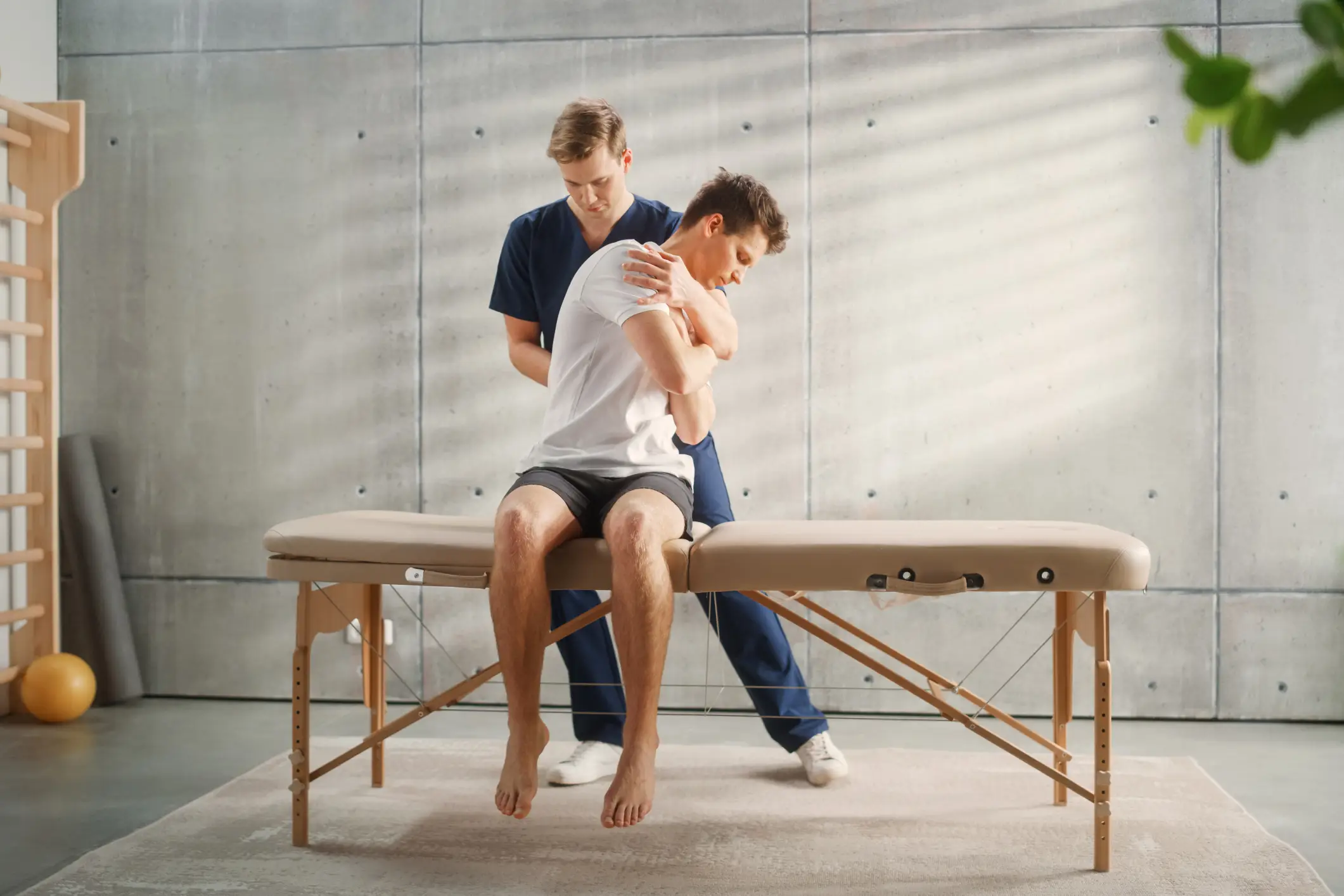

Osteopath or Physiotherapist? Which Is Right for You in Ashford and Dover?
Osteopath or Physiotherapist? Understanding the Difference
If you’re struggling with back pain, neck pain, shoulder discomfort, or a sports injury, you may be wondering whether you should see an osteopath or a physiotherapist. It’s one of the most common questions people ask when looking for treatment.
The truth is that both professions play an important role in helping people recover from pain and injury. However, they often use different approaches, and understanding those differences can help you choose the treatment that’s right for your needs.
If you’re looking for an osteopath in Ashford and Dover, here’s what you need to know.
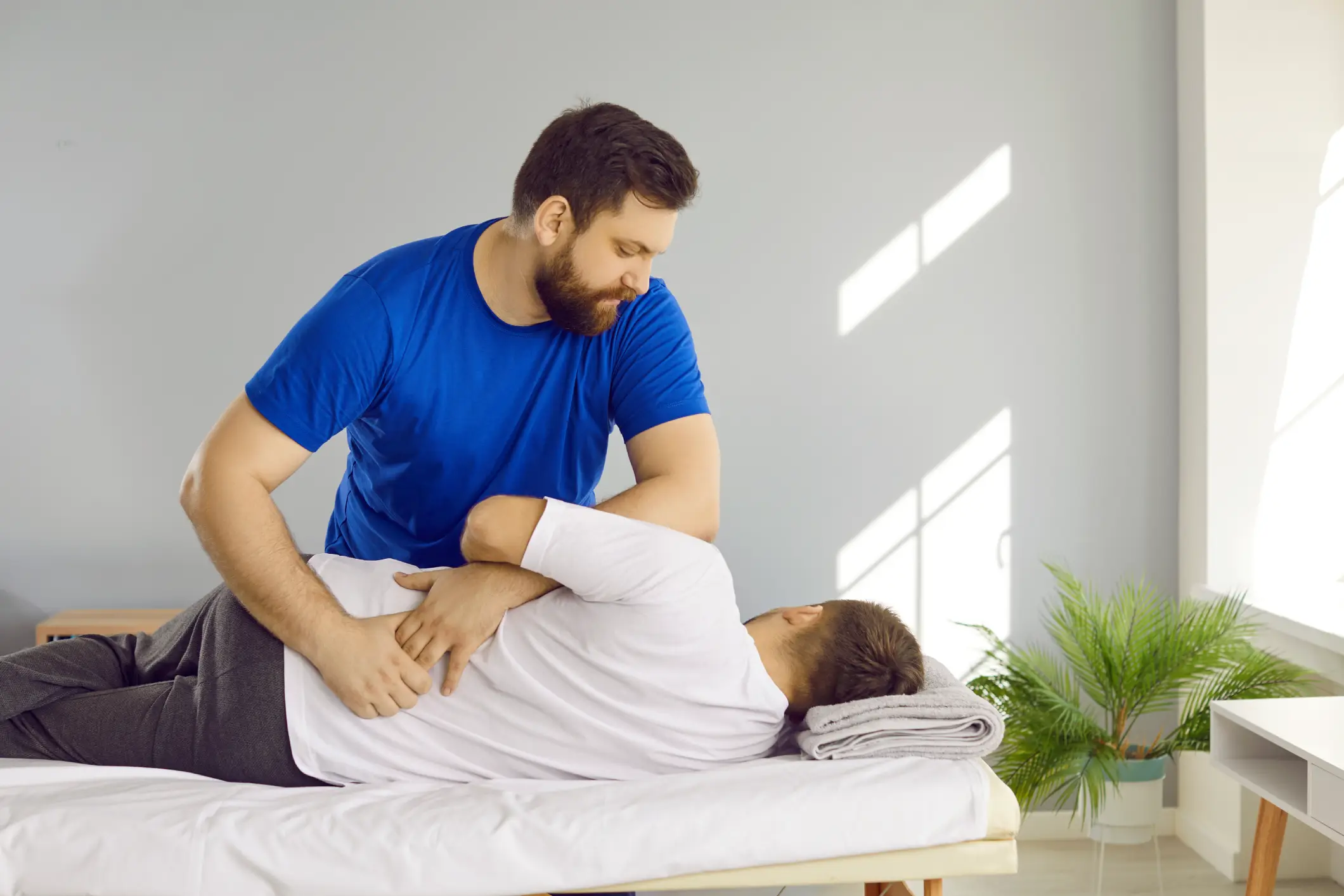
What Does an Osteopath Do?
Osteopathy is a form of hands-on healthcare that focuses on how the muscles, joints, ligaments, and spine work together. Rather than treating only the painful area, osteopaths assess the body as a whole to identify movement restrictions, muscle imbalances, and postural issues that may be contributing to pain.
Treatment is personalised and may include:
1. Manual therapy
2. Joint mobilisation
3. Soft tissue massage
4. Stretching techniques
5. Exercise advice
6. Postural assessment
7. Lifestyle recommendations
The aim is to restore movement, reduce pain, and improve the body’s overall function.
What Does a Physiotherapist Do?
Physiotherapists also diagnose and treat musculoskeletal conditions. Their treatment often focuses on improving movement, strength, and rehabilitation following injury, surgery, or illness.
Treatment may include:
1. Rehabilitation exercises
2. Strength programmes
3. Mobility work
4. Education
5. Movement analysis
6. Manual therapy, depending on the practitioner
Many physiotherapists specialise in sports rehabilitation, neurological conditions, or post-operative recovery.
What’s the Difference?
Although there is some overlap, the main difference is often the treatment approach.
An osteopath typically spends a significant portion of each appointment using hands-on techniques to improve joint mobility, reduce muscle tension, and restore movement throughout the body.
A physiotherapist may place greater emphasis on rehabilitation exercises, strengthening programmes, and long-term functional recovery.
Both professions are highly trained and regulated, and both aim to help patients reduce pain and improve quality of life.
Which Conditions Can an Osteopath Help With?
People commonly visit an osteopath in Ashford and Dover for:
1. Lower back pain
2. Neck pain
3. Sciatica
4. Shoulder pain
5. Hip pain
6. Knee pain
7. Sports injuries
8. Muscle tension
9. Postural problems
10. Joint stiffness
11. Headaches linked to neck tension
Your osteopath will carry out a full assessment before recommending whether osteopathic treatment is appropriate for your condition.
When Should You Choose Osteopathy?
Osteopathy may be a good option if you:
1. Prefer hands-on treatment
2. Have persistent muscle or joint pain
3. Feel stiff or restricted in your movement
4. Spend long hours sitting at a desk
5. Want a personalised treatment plan
6. Are looking for advice on posture and movement
Many patients appreciate the combination of manual therapy, movement advice, and education provided during treatment.
Do You Need a Referral?
No. Most people can book directly with an osteopath without seeing their GP first.
However, if your symptoms suggest a condition requiring further medical investigation, your osteopath will advise you appropriately and, if necessary, refer you to another healthcare professional.
Why Early Assessment Matters
Many musculoskeletal problems respond better when assessed early. Waiting until pain becomes severe can sometimes prolong recovery and lead to compensatory movement patterns that place additional strain on other parts of the body.
Seeking professional advice sooner rather than later can help identify the cause of symptoms and guide appropriate treatment.
Final Thoughts
Choosing between an osteopath and a physiotherapist depends on your symptoms, preferences, and treatment goals. Both professions provide valuable care, but if you’re looking for a holistic, hands-on approach that considers how your whole body moves and functions, osteopathy may be the right choice.
If you’re searching for an experienced osteopath in Ashford and Dover, a comprehensive assessment and personalised treatment plan can help you understand the cause of your pain and support your recovery with confidence.
Click on the link for more information: https://osteopathicare.co.uk/what-is-the-difference-between-an-osteopath-chiropractor-and-physiotherapist/
Frequently Asked Questions
Osteopaths complete extensive university-level training in anatomy, physiology, pathology, biomechanics, diagnosis, and clinical practice. They are regulated healthcare professionals in the UK.
Yes. Osteopaths regularly assess and treat sports-related muscle and joint injuries, helping patients return to activity safely while reducing the risk of recurrence.
Treatment is generally gentle and tailored to the individual. Some techniques may cause temporary soreness similar to what you might feel after exercise, but most patients tolerate treatment well.
This depends on the nature of your condition, how long you’ve had symptoms, and your recovery goals. Your osteopath will discuss a treatment plan following your initial assessment.
Treatments covered by private health insurance


